
The Day Buster Ruined My Rug (And Changed My Mind)
I used to think dog food was simple. You go to the grocery store, grab the bag with the happiest-looking Golden Retriever on the front, dump it in a plastic bowl, and call it a day. Then I got Buster. Buster was a goofy, floppy-eared mutt with a stomach so sensitive it could detect a single rogue crumb of cheese from three rooms away. Every week was a new crisis: itchy paws, hot spots, or middle-of-the-night emergency backyard trips. I was desperate.
That is when I started reading the back of the bag. Not the flashy marketing stuff on the front—the tiny, confusing print on the back. What I found shocked me. It set me down a fifteen-year rabbit hole of canine nutrition. Let's talk about what is really going on in the pet food industry, because your dog deserves better than clever marketing slogans.
The Industrial Heat-Blast: What Kibble Actually Is
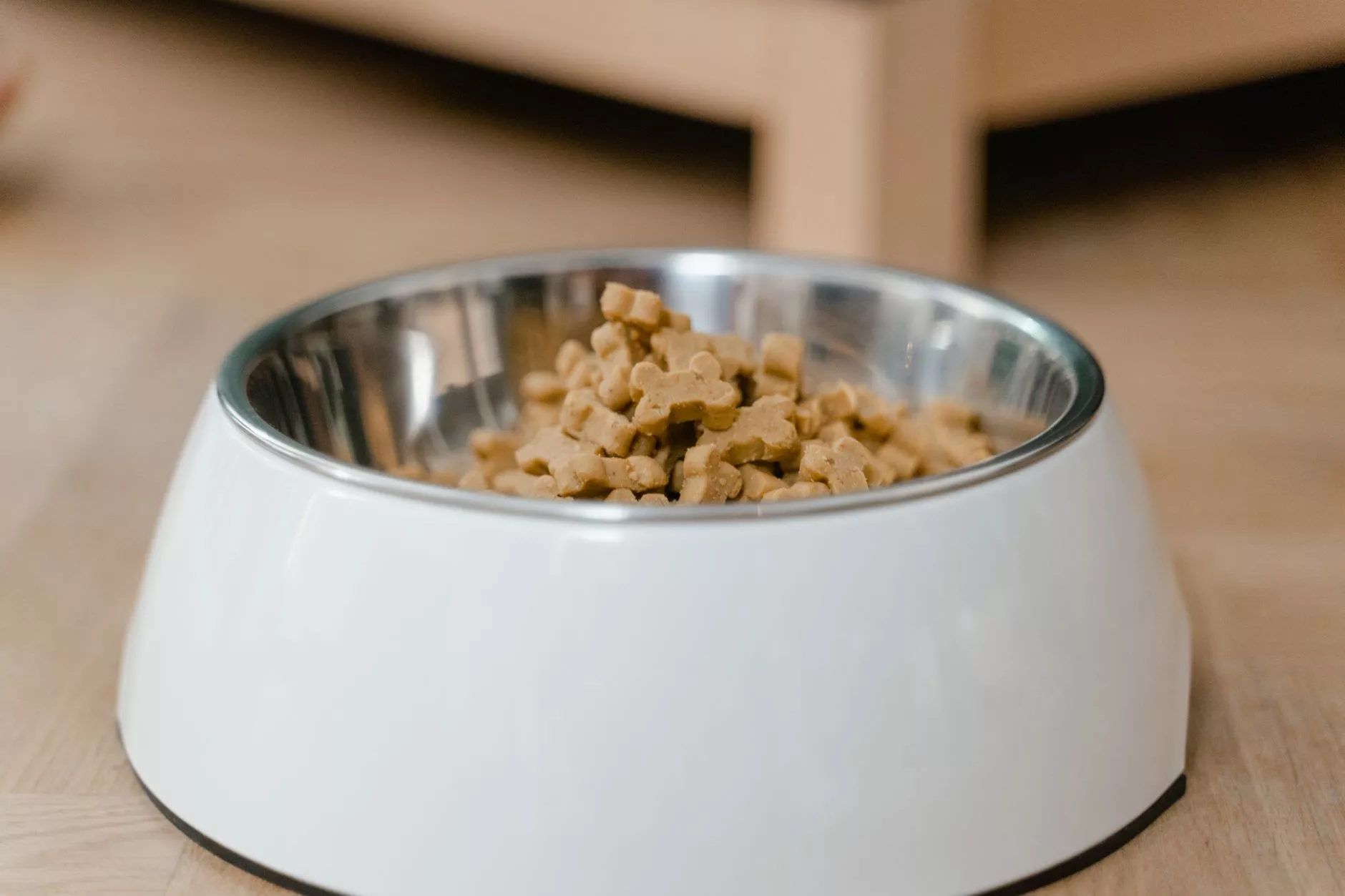
Most dogs eat kibble. It is cheap, convenient, and does not rot if you leave it out for half a day. But how do they make those little brown pellets? The process is called extrusion. Imagine a giant, industrial cookie press. Manufacturers take a mix of meats, grains, vitamins, and whatever else, blast it with extreme heat and high pressure, and push it through a mold. It is cooked so hot that almost all the natural nutrients are completely destroyed. To make up for this, companies spray a chemical slurry of synthetic vitamins, minerals, and animal fats back onto the kibble. That oily residue on your fingers when you grab a handful of food? That is the flavor coating. Without it, your dog probably would not even recognize it as edible.
Reading the Label Without Losing Your Mind
Here is a neat trick pet food marketers love. They name their food 'Chicken Dinner for Dogs' or 'Recipe with Beef.' Did you know these words have strict legal definitions under AAFCO (Association of American Feed Control Officials) guidelines?
- If it says 'Chicken Dog Food,' it must contain at least 95% chicken by weight.
- If it is a 'Chicken Formula' or 'Chicken Dinner,' that requirement drops drastically to just 25%.
- If it says 'With Chicken,' it only needs to have 3% chicken in the recipe.
- And if it is 'Chicken Flavor'? Zero. It just has to taste like it, usually through synthetic additives.
Crazy, right? You think you are buying a premium chicken meal, but you are actually buying mostly corn or soy with a tiny splash of poultry. Always look at the first five ingredients. That is where the bulk of the food lives. If you see words like 'by-product meal' or vague terms like 'animal fat' instead of 'chicken fat,' run. Vague names mean they can source whatever cheap fat is available that week on the open commodity market.
The Great Grain-Free Panic
A few years ago, everyone panicked about grain-free dog food. The FDA put out a warning linking grain-free diets to a scary heart condition called canine dilated cardiomyopathy (DCM). Suddenly, everyone was throwing away their expensive pea-protein kibbles and scrambling back to grains. But if you look closely at the data, it was not necessarily the lack of grains that caused the issue. It was what manufacturers used to replace the grains: massive amounts of peas, lentils, and chickpeas. These legumes can interfere with how a dog absorbs taurine, an essential amino acid for heart health. I always tell my clients: do not just buy 'grain-free' because it sounds trendy. If your dog does not have a diagnosed grain allergy (which is actually quite rare; most allergies are to proteins like chicken or beef), there is no reason to avoid high-quality grains like brown rice, oats, or barley.
"Feed the dog in front of you, not the dog in the commercial."
Fresh, Raw, or Kibble: Making the Hard Choice
People ask me all the time: 'Should I feed raw?' Raw feeding is amazing if done right. Your dog's teeth stay cleaner, their poop gets smaller and less smelly, and their coat shines like a new dime. But it is expensive and takes a ton of prep. If you balance it wrong, you can cause severe nutritional deficiencies, especially in growing puppies. If you do not have the time or budget for a raw diet, do not feel guilty. You can upgrade your dog's standard kibble without breaking the bank. I like to add fresh toppers to Buster's bowl. A spoonful of plain Greek yogurt, some steamed broccoli, a raw egg yolk, or even a splash of unsalted bone broth can turn a boring bowl of dry kibble into a nutritional powerhouse. It is not all-or-nothing. Small changes make a massive difference over a dog's lifetime.
We have to stop looking for a single 'perfect' dog food. It does not exist. Just like humans, every dog has a unique metabolism, gut microbiome, and history. Watch their stool, look at their energy levels, and check their skin. They will tell you if their food is working or not. I spent years worrying about finding the magic bullet for Buster, but in the end, it was about listening to his body and ignoring the slick branding on the bag.