
It's 5:15 AM on a freezing Tuesday. My car heater's blowing cold air, my thermos of ginger tea's leaking into my bag, and I'm sitting in a dark yoga studio parking lot questioning every decision that led me here. When people think of a yoga teacher, they usually picture a glowing, serene soul clad in expensive activewear, sipping green juice, and floating through life on a cloud of incense. They don't see the frantic dash across three zip codes to teach back-to-back classes, or the smell of stale sweat and lavender oil that clings to your car seats forever.
I became a teacher seven years ago. Like many, I was hooked on the feeling of peace I found on my own mat. I wanted to share that. I completed my 200-hour training, filled with starry-eyed ideals about spiritual awakening and perfect alignment. Then, reality hit.
The Unexpected Role of Emotional Caretaker
My first class had three people. One fell asleep, one cried during savasana, and the third spent the entire hour checking his phone. It was a baptism by fire. I quickly realized that teaching yoga has very little to do with showing off your handstand. It's about holding space for whatever people bring through the door.
Sometimes, a yoga class is the only place in a person's week where they're allowed to just feel. They carry grief, stress, and physical pain. When they lay on that bolster, it all spills out.
You've got to learn how to guide them through that without absorbing their heavy energy yourself. It's a delicate boundary. Early on, I'd go home carrying everyone's anxiety. I felt drained, physically sick, and empty. Now, I know how to build an energetic firewall. I'm there to support, not to fix. That's a massive distinction.
The Hustle: Let's Talk About Money
Let's be brutally honest. Unless you own a wildly successful studio or have a massive online following, making a living as a yoga teacher is a relentless grind. Most of us start as independent contractors. Here's what my weekly schedule looked like in my second year:
- Two early morning classes at Studio A (6:00 AM start, $35 flat rate).
- A corporate lunch class across town (terrible parking, great pay, but highly stressed clients who didn't want to sweat).
- Two evening yin classes at Studio B, followed by a frantic drive home to eat dinner at 9:30 PM.
- Intermittent private clients who cancelled at the last second.
You calculate your income based on class packages, attendance splits, and private hourly rates. You buy your own health insurance. You pay self-employment tax. If you get sick or lose your voice, you don't get paid. It's a gig economy hustle disguised as spiritual enlightenment. To survive, you've got to treat your teaching like a business, even when your heart just wants to focus on philosophy.
Why I Abandoned the 'Perfect Pose'
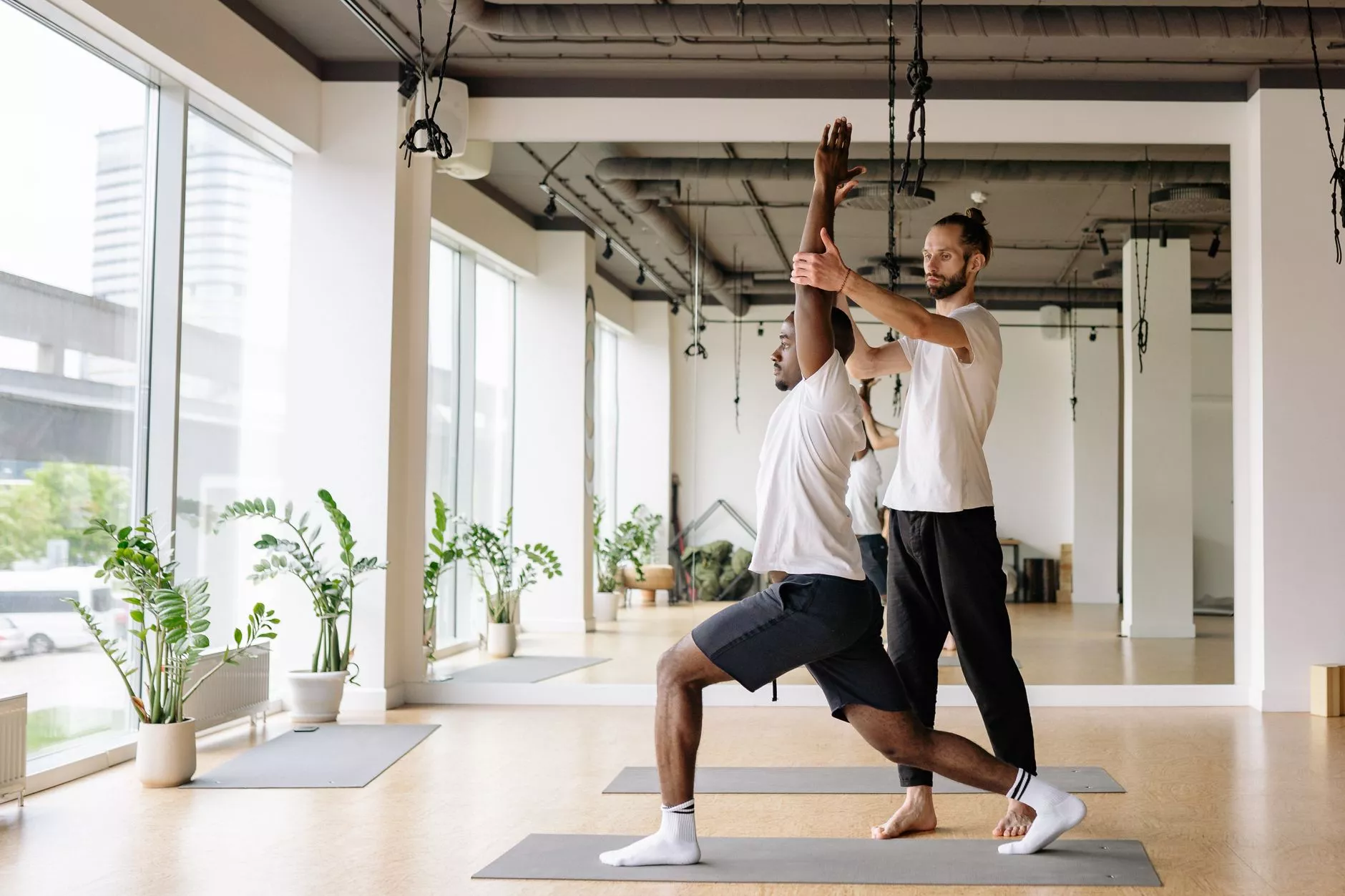
When I started, I was an alignment purist. I'd walk around adjusting hips, squaring shoulders, and obsessing over the exact placement of pinky toes. I thought I was helping. But over time, watching hundreds of different bodies move, I realized something. Anatomy is incredibly diverse. A cue that feels amazing in my body might cause sharp pain in yours.
I stopped using rigid, dogmatic instructions. I threw out cues like 'tuck your tailbone' or 'square your hips to the front of the room' because, frankly, some skeletal structures physically can't do that without damaging the joints. Instead, my language shifted. I started asking: 'Where do you feel this?' and 'Can you find ease here?'
This shift changed everything. My classes became less about performing a shape and more about feeling it from the inside out. We use blocks, straps, and blankets like candy. There's no shame in modifying. If you want to spend the entire sixty minutes in child's pose, I'll celebrate your self-awareness.
The Hidden Toll on Your Own Practice
Here's a paradox: when your passion becomes your job, you can easily lose your passion. For a long time, my personal practice suffered. When I rolled out my mat at home, my brain would instantly start sequencing. 'Oh, this transition from wild thing to side plank feels cool, I should teach this on Thursday.' I was no longer practicing for myself; I was researching.
I had to learn to draw a line in the sand. Now, when I practice, I don't sequence. I go to other teachers' classes and deliberately let myself be a student. I put my teacher brain in a box, slide it under the bed, and just breathe. It's the only way to avoid absolute burnout.
Despite the physical exhaustion, the chaotic schedule, and the unpredictable income, I still love this job. When someone looks up at the end of class, eyes clear and shoulders dropped three inches, you know you did something real. You helped them connect to their own breathing body in a world that constantly demands they escape it. That's worth every early morning and every cold cup of tea.